







Blog
-
The Three Ecumenical Creeds
A creed is a formal statement of Christian belief. The word “creed” comes from the Latin word “credo,” which means “I believe.” In Christianity, a creed is an authoritative, carefully formulated statement of the chief articles of Christian belief. The three officially recognized creeds of Christianity are the Apostles’ Creed, the Nicene Creed, and the Athanasian Creed.
They are called “ecumenical” (universal) calling all Christians to believe what they teach! They are accepted by Christians worldwide as correct expressions of what God’s Word teaches.
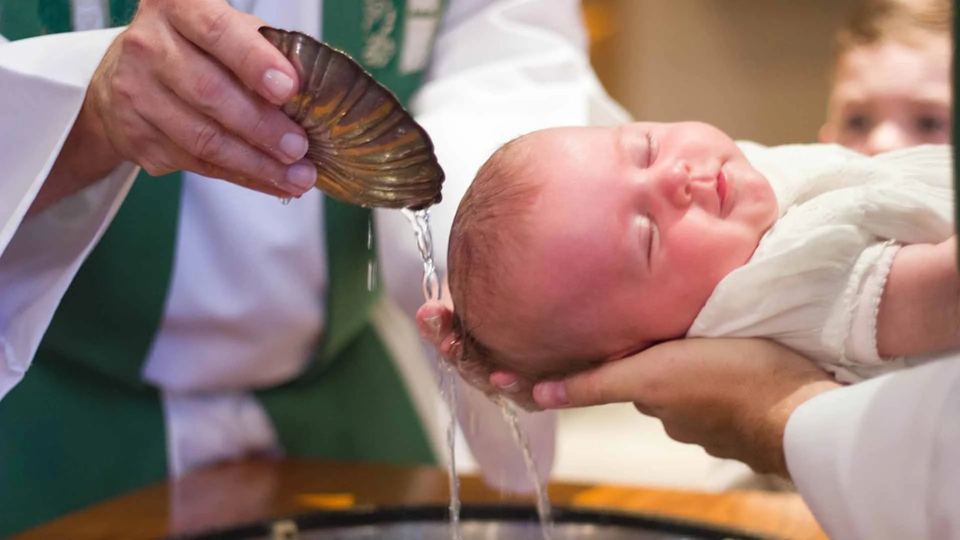
The foundation of the Apostles’ Creed (2nd century) was laid by Christ when He commissioned His disciples (Matt. 28:19-20). In this Trinitarian creed, the formula of Baptism is prescribed, “In the name of the Father, and of the Son, and of the Holy Ghost.”
The Nicene Creed (AD 325) was written by the First Ecumenical Council at Nicaea, in Bithynia. Attended by 318 bishops, it was framed to settle the false teaching of Arius, who denied the true divinity of Christ. The creed declares Jesus Christ to be the “only begotten of the Father” and of “one substance with the Father.” Based on these statements, the creed can declare Christ “God from God; Light from Light.”
The Athanasian Creed (4th century) expresses the one true faith as the first words of the text state: “Whoever wishes to be saved…” According to tradition the creed is attributed to Athanasius, bishop of Alexandria. It is divided into two sections: 1) The first centers on the doctrine of God as Trinity; 2) The second states the church’s faith in the incarnation of Christ by affirming the divinity and the humanity of Jesus.
-
The Three Ecumenical Creeds
A creed is a formal statement of Christian belief. The word “creed” comes from the Latin word “credo,” which means “I believe.” In Christianity, a creed is an authoritative, carefully formulated statement of the chief articles of Christian belief. The three officially recognized creeds of Christianity are the Apostles’ Creed, the Nicene Creed, and the Athanasian Creed.
They are called “ecumenical” (universal) calling all Christians to believe what they teach! They are accepted by Christians worldwide as correct expressions of what God’s Word teaches.
The foundation of the Apostles’ Creed (2nd century) was laid by Christ when He commissioned His disciples (Matt. 28:19-20). In this Trinitarian creed, the formula of Baptism is prescribed, “In the name of the Father, and of the Son, and of the Holy Ghost.”
The Nicene Creed (AD 325) was written by the First Ecumenical Council at Nicaea, in Bithynia. Attended by 318 bishops, it was framed to settle the false teaching of Arius, who denied the true divinity of Christ. The creed declares Jesus Christ to be the “only begotten of the Father” and of “one substance with the Father.” Based on these statements, the creed can declare Christ “God from God; Light from Light.”
The Athanasian Creed (4th century) expresses the one true faith as the first words of the text state: “Whoever wishes to be saved…” According to tradition the creed is attributed to Athanasius, bishop of Alexandria. It is divided into two sections: 1) The first centers on the doctrine of God as Trinity; 2) The second states the church’s faith in the incarnation of Christ by affirming the divinity and the humanity of Jesus.
-
The Three Ecumenical Creeds
A creed is a formal statement of Christian belief. The word “creed” comes from the Latin word “credo,” which means “I believe.” In Christianity, a creed is an authoritative, carefully formulated statement of the chief articles of Christian belief. The three officially recognized creeds of Christianity are the Apostles’ Creed, the Nicene Creed, and the Athanasian Creed.
They are called “ecumenical” (universal) calling all Christians to believe what they teach! They are accepted by Christians worldwide as correct expressions of what God’s Word teaches.
The foundation of the Apostles’ Creed (2nd century) was laid by Christ when He commissioned His disciples (Matt. 28:19-20). In this Trinitarian creed, the formula of Baptism is prescribed, “In the name of the Father, and of the Son, and of the Holy Ghost.”
The Nicene Creed (AD 325) was written by the First Ecumenical Council at Nicaea, in Bithynia. Attended by 318 bishops, it was framed to settle the false teaching of Arius, who denied the true divinity of Christ. The creed declares Jesus Christ to be the “only begotten of the Father” and of “one substance with the Father.” Based on these statements, the creed can declare Christ “God from God; Light from Light.”
The Athanasian Creed (4th century) expresses the one true faith as the first words of the text state: “Whoever wishes to be saved…” According to tradition the creed is attributed to Athanasius, bishop of Alexandria. It is divided into two sections: 1) The first centers on the doctrine of God as Trinity; 2) The second states the church’s faith in the incarnation of Christ by affirming the divinity and the humanity of Jesus.
-
The Three Ecumenical Creeds
A creed is a formal statement of Christian belief. The word “creed” comes from the Latin word “credo,” which means “I believe.” In Christianity, a creed is an authoritative, carefully formulated statement of the chief articles of Christian belief. The three officially recognized creeds of Christianity are the Apostles’ Creed, the Nicene Creed, and the Athanasian Creed.
They are called “ecumenical” (universal) calling all Christians to believe what they teach! They are accepted by Christians worldwide as correct expressions of what God’s Word teaches.
The foundation of the Apostles’ Creed (2nd century) was laid by Christ when He commissioned His disciples (Matt. 28:19-20). In this Trinitarian creed, the formula of Baptism is prescribed, “In the name of the Father, and of the Son, and of the Holy Ghost.”
The Nicene Creed (AD 325) was written by the First Ecumenical Council at Nicaea, in Bithynia. Attended by 318 bishops, it was framed to settle the false teaching of Arius, who denied the true divinity of Christ. The creed declares Jesus Christ to be the “only begotten of the Father” and of “one substance with the Father.” Based on these statements, the creed can declare Christ “God from God; Light from Light.”
The Athanasian Creed (4th century) expresses the one true faith as the first words of the text state: “Whoever wishes to be saved…” According to tradition the creed is attributed to Athanasius, bishop of Alexandria. It is divided into two sections: 1) The first centers on the doctrine of God as Trinity; 2) The second states the church’s faith in the incarnation of Christ by affirming the divinity and the humanity of Jesus.