Worship

“Speak to one another with psalms, hymns and spiritual songs. Sing and make music in your heart to the Lord, always giving thanks to God the Father for everything” (Ephesians 5:19,20).

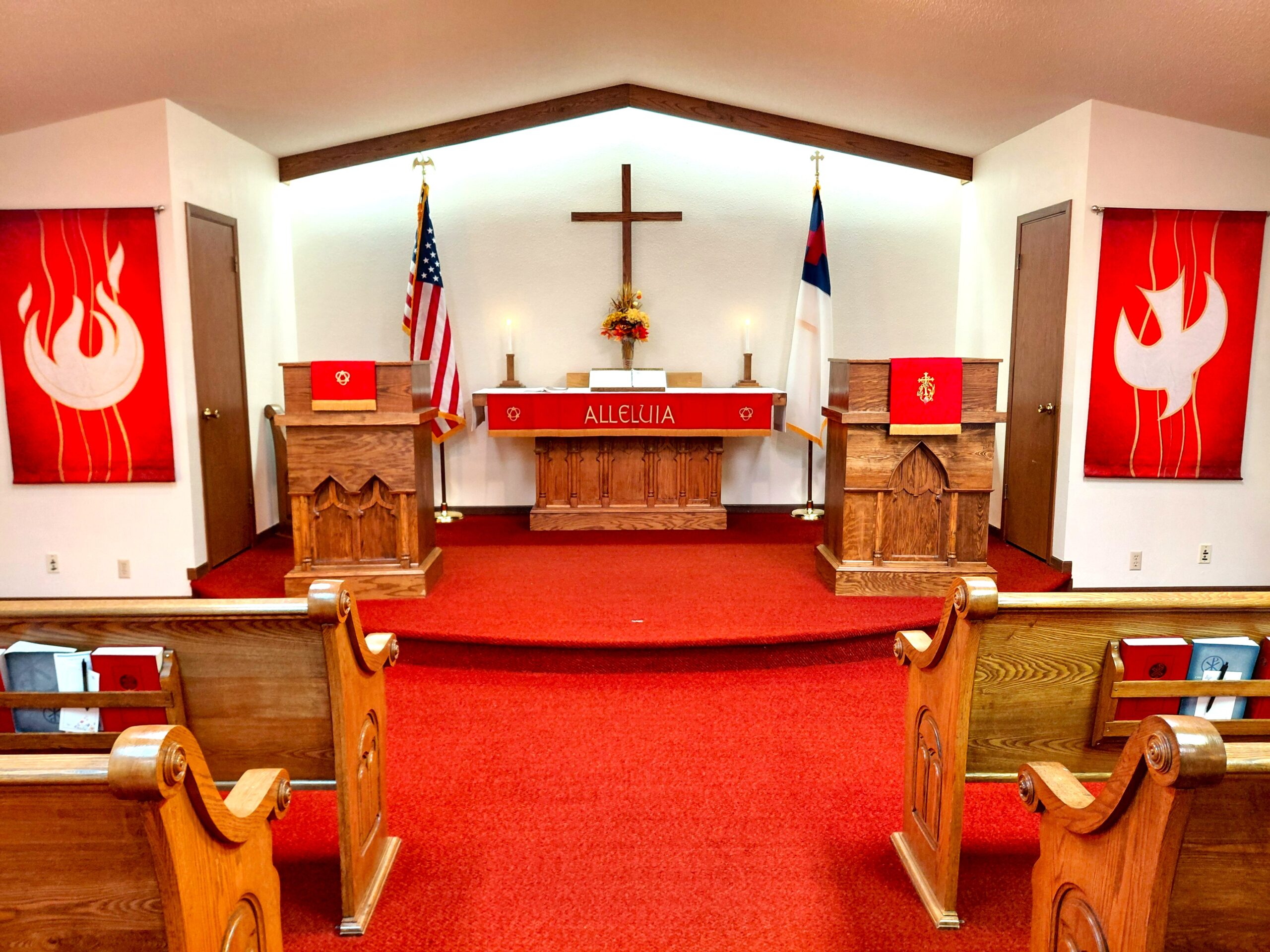
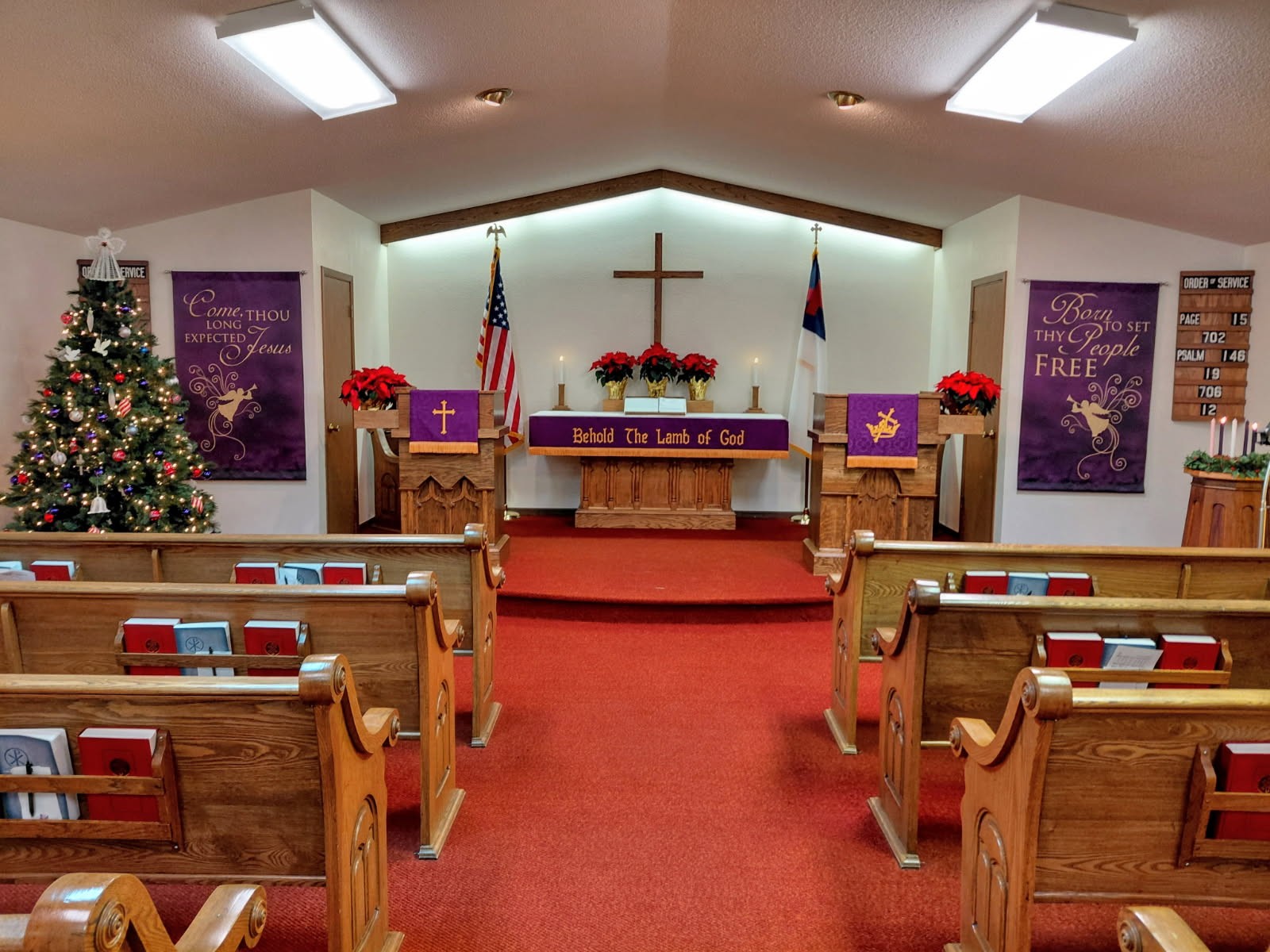
The central activity of worship glorifies God and strengthens his people. Worship is the heart of all parish life, the time when the greatest number of members gathers to proclaim the gospel and receive God’s life-giving power in Word and sacrament.

Lutheran sermons are based on the Bible and accurately adhere to the teachings Scripture.

Watch and reflect on our Sermons here!

About Us

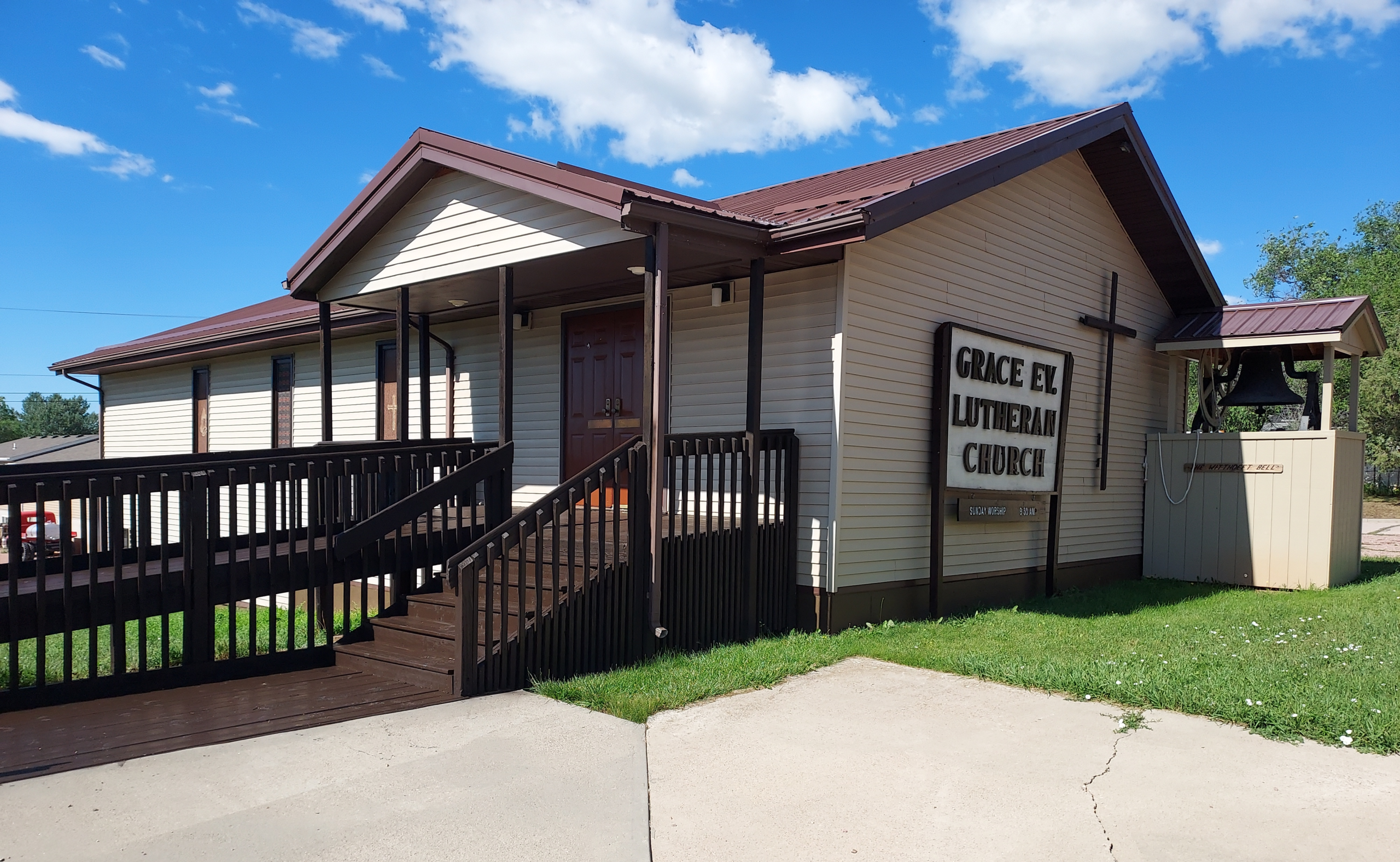
Serving families in Fall River and Custer Counties since 1978, Grace Ev. Lutheran Church continues to welcome all those who seek to understand biblical Christianity and walk with us in the unity of faith.

Our Approach

We believe it’s important to let the Bible speak to people in the clear and understandable way in which God wrote it!

 • We believe you want to hear what the   Bible says and not what we think.

 • Our goal is to let the Bible speak for itself and we’re committed to help people see how it does just that.

 • Our promise to you is that we will preach and teach in a way that meets this goal to help you grow in your knowledge and love for God and for others.

“Everyone Is Welcome! Join us for an abundance of Grace found in God’s Word!”

Our Purpose

In grateful response to God’s grace and empowered by the Holy Spirit, the mission of Grace Evangelical Lutheran Church is to extend the reach of our God-given mission of proclaiming the gospel in Word and sacrament to our community, and our world.

Christ’s Love, Our Calling!

The Bible, Baptism, & Communion

Select each topic to learn more.

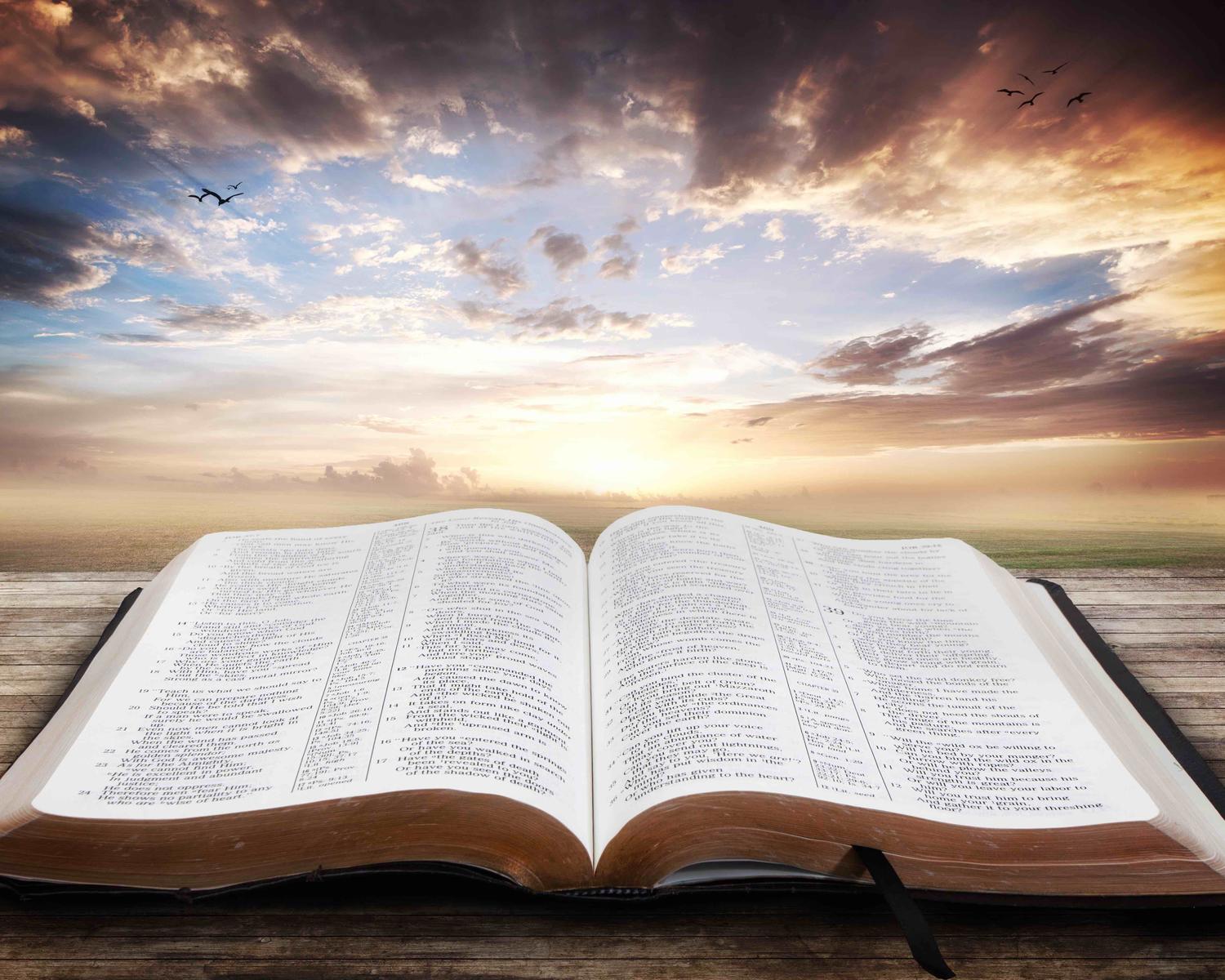
The Bible is the true Word of God. It is inspired by the Holy Spirit. This means that God breathed into the writers the exact thoughts and words they were to write. As a result every statement in the Bible is the truth. One part of the Bible explains another part. It is the only guideline for the faith and life of Christians. We are to read and study it diligently. It clearly teaches all we need to know in order to obtain our eternal salvation.

God bestows all spiritual blessings upon sinners by special means established by Him. These are the “means of grace”, the gospel in Word and sacraments. A sacrament is a “sacred act” established by Christ in which the Word connected with an earthly element gives the forgiveness of sins.

A sacrament is a sacred act established by Christ that uses earthly elements, like water (Baptism), bread, and wine (Communion), along with God’s Word, to convey spiritual blessings, such as forgiveness of sins. We recognize two main sacraments: Baptism and the Lord’s Supper.

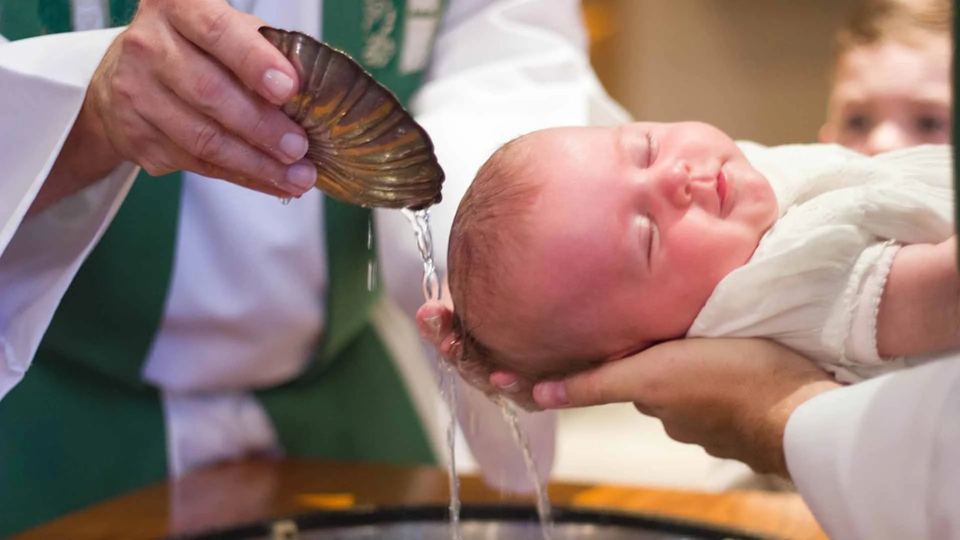
Through Baptism the Holy Spirit applies the gospel to sinners, giving them new life (Titus 3:5) and cleansing them from all sin (Acts 2:38). Jesus points to the blessing of Baptism promising, “Whoever believes and is baptized will be saved” (Mark 16:16). The blessing of Baptism is meant for all people (Matthew 28:19), including infants. Infants are born sinful (John 3:6) and therefore need to be born again, that is, to be brought to faith, through Baptism (John 3:5).

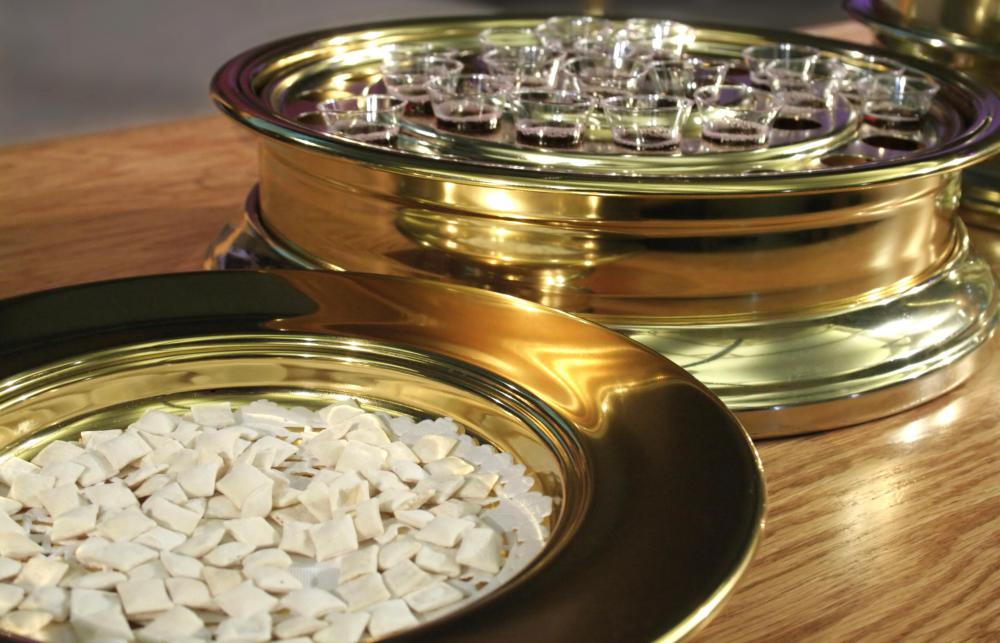
Communion: All who join in the Lord’s Supper receive the true body and blood of Christ in, with, and under the bread and wine (1 Corinthians 10:16). Jesus said, “This is my body. This is my blood of the covenant, which is poured out for many for the forgiveness of sins” (Matthew 26:26,28). We believe that Christ’s words cause the real presence—they are not a human action. As we receive Jesus’ body and blood, we also receive the forgiveness of sins (Matthew 26:28) and the comforting assurance that we are truly his own. Unbelievers also receive Christ’s body and blood, but to their judgment (1 Corinthians 11:29).

Confessional Lutherans believe that Holy Communion is a sacred act established by Christ, in which believers receive Jesus’ true body and blood in with and under bread and wine. Through this holy meal, Jesus grants forgiveness, strengthens faith, and offers eternal salvation to those who believe. Only those who repent of their sins and have received proper Christian instruction should participate, as taught in Matthew 26:26-28; 1 Corinthians 10:16; 1 Corinthians 11:27,28; and 1 Corinthians 10:17.

Participation in Holy Communion is reserved for those who are in spiritual unity and doctrinal agreement with biblical teachings and who have publicly declared this agreement. This practice, originating in the early Christian church, is not a judgment on anyone’s faith. Rather it emphasizes carefulness regarding such a sacred matter. Guests who are not members of Grace Ev. Lutheran Church, WELS, or ELS are encouraged to speak with the pastor before communing.

We Believe

As a synod* we believe that the Bible is God’s Word, that it is completely true, it is fully inspired by God, it is the final authority in all matters of faith and teaching, and it is without error.

The three ecumenical creeds, the primary statements of belief for historic Christianity, summarize our faith. In addition, we wholeheartedly subscribe to the Lutheran Confessions (contained in the Book of Concord of 1580) because they are correct explanations of biblical truth.

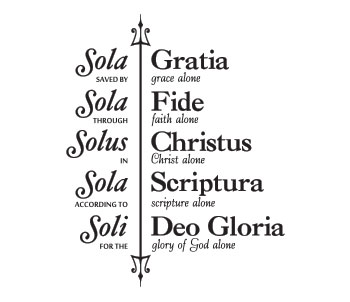
In essence, the Bible, the creeds, and the Lutheran Confessions all speak the same truth… We are declared to be righteous before God by his Grace alone, through Faith alone, in Jesus Christ alone!

* Synod means “walking together” in faith and practice.

Our Affiliation

Our church is part of a group of churches called Wisconsin Evangelical Lutheran Synod or WELS.

The WELS is a worldwide church with congregations in all fifty states and Canada. It also serves sixteen foreign countries through world mission work.

WELS is a member of the Confessional Evangelical Lutheran Conference (CELC) a worldwide fellowship of Lutheran church bodies, committed to the teachings of the Book of Concord of 1580.

Learn more about the Wisconsin Evangelical Lutheran Synod here!

How to get in touch with us

The Festival of Pentecost

Pentecost

The Festival of Pentecost, an important celebration in the Christian liturgical calendar. Pentecost occurs 50 days after Easter Sunday and commemorates the descent of the Holy Spirit upon the apostles and 120 other disciples, as described in Acts 2.

The Old Testament refers to Pentecost as Shavuot, translated as the “Festival of Weeks,” which commemorates the first fruits of the spring grain harvest. This festival is the second of three principal Jewish national celebrations mandated by the Law of Moses (Ex.34:22; Dt. 16:16).

Attendance was required for Jewish men. Shavuot occurs on the fiftieth day, precisely seven weeks following Passover. The word “Pentecost” is derived from the Greek meaning “fiftieth.”

After Jesus had risen, He spent 40 days with His apostles. Once, when He was eating with them, He commanded them, “Do not depart from Jerusalem, but wait for what the Father promised, which you heard from me. For John baptized with water, but you will be baptized with the Holy Spirit not many days from now.” (Acts 1:3-5)

Ten days after the ascension of Jesus into heaven—fifty days following Easter Sunday—the Holy Spirit descended upon those Christians gathered in Jerusalem (Acts 2). This event, accompanied by the sound of wind and tongues of fire, empowered these timid believers to boldly proclaim the gospel. Visitors attending the festival from various regions around the Mediterranean heard the gospel in their own native languages.

The Birth of the Christian Church

Pentecost marks a pivotal moment in history: the beginning of the Christian Church. On this day, 3,000 individuals responded to the apostles’ message and joined the community of believers (Acts 2:41). Every follower of Christ receives the Holy Spirit, which empowers us to serve, and enables us to fulfill Jesus’ commission to spread the Gospel (Mt. 28:19-20). This year Pentecost will be celebrated on May 24th.

Comments

Leave a Reply

Your email address will not be published. Required fields are marked *